
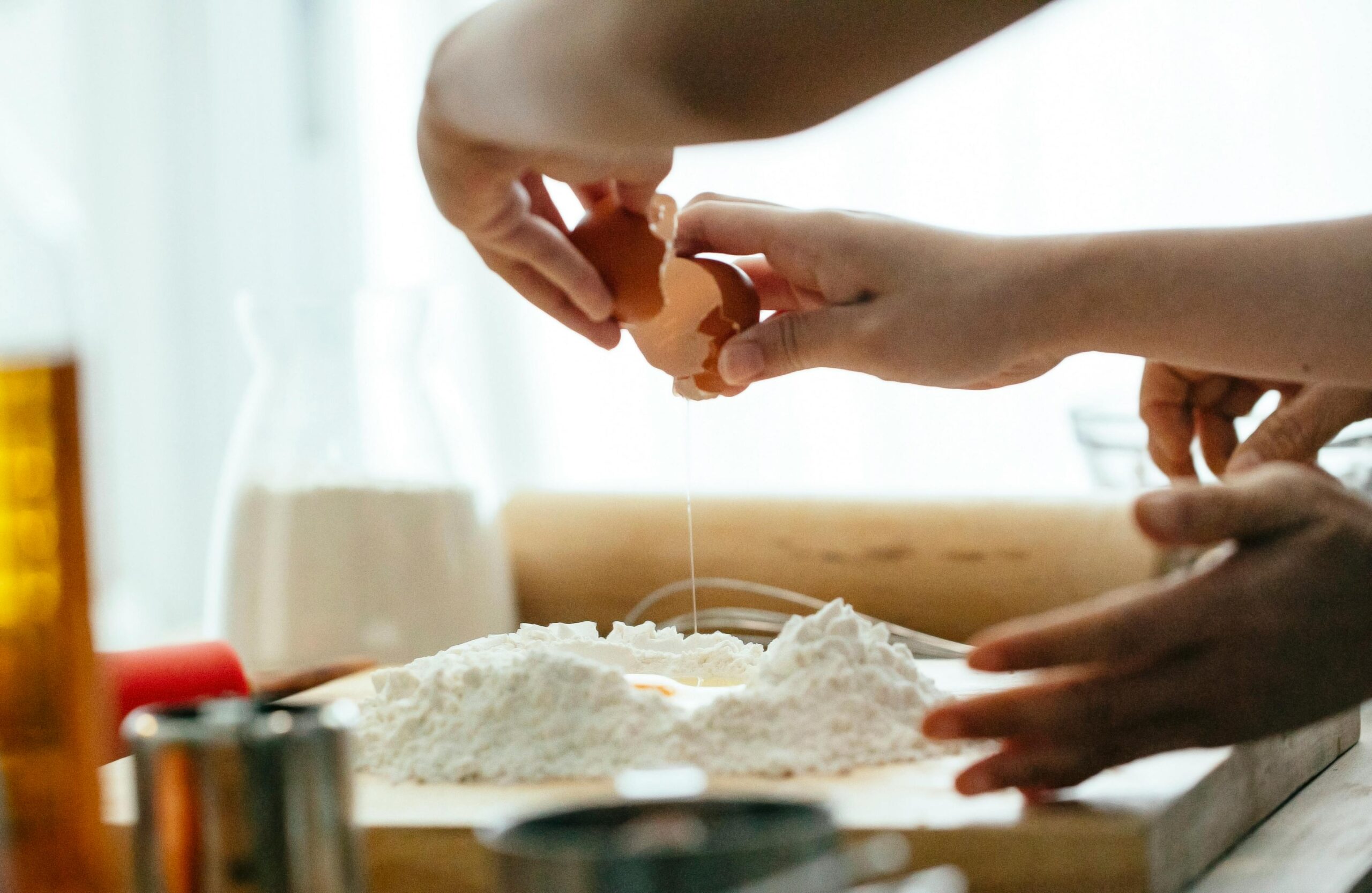
Baking is often referred to as both a science and an art, and when it comes to pastry, this couldn’t be truer. The magic behind a perfectly flaky croissant or a tender tart lies in understanding how ingredients interact with each other. Whether you’re a novice baker or a seasoned pro, delving into the science of pastry can dramatically improve your skills. In this blog post, we’ll break down the science behind key pastry ingredients, helping you understand not just how they work, but why they matter. Once you grasp these principles, you’ll be able to tweak recipes and troubleshoot any issues that arise, making you a more confident baker.
1. Flour: The Backbone of Pastry
Flour is one of the most important ingredients in any pastry, and understanding its role is key to achieving the right texture. Flour provides structure and stability to your dough, thanks to the proteins it contains—mainly glutenin and gliadin, which form gluten when mixed with water.
What You Need to Know:
- Gluten Formation: Gluten gives pastry its chewiness and elasticity. In bread, this is desirable, but in pastry, you want to create a delicate balance. Too much gluten development will result in a tough pastry, while too little will lead to a crumbly one.
- Flour Types: Different types of flour contain varying amounts of gluten. For pastries, pastry flour is ideal because it has a lower gluten content, resulting in a tender, flaky texture. All-purpose flour can be used as a substitute, but it’s better to use pastry flour when you want a finer, lighter crumb.
Tip: When working with dough, handle it as little as possible to prevent over-developing the gluten. The less you work the dough, the more tender your pastry will be.
2. Butter: The Secret to Flakiness
Butter is arguably the most important ingredient when it comes to creating flaky pastries. The way butter interacts with flour determines the final texture and taste of your pastry, from croissants to pie crusts. Butter’s high fat content helps create that signature rich, melt-in-your-mouth texture.
What You Need to Know:
- Fat in Butter: Butter is made up of 80% fat and 20% water. When you incorporate cold butter into dough, the fat coats the flour particles, preventing too much gluten from forming. As the dough bakes, the water in the butter evaporates, creating steam that causes the dough to puff and become flaky.
- Cold Butter: For flaky pastries, cold butter is essential. It creates pockets of fat in the dough, which expand during baking. This is why many pastry recipes call for “cutting” cold butter into the flour.
Tip: Always use cold butter for pastries like pie crust or puff pastry. If the butter starts to soften while you’re working with it, chill the dough before proceeding.
3. Sugar: Sweetness and Texture
Sugar isn’t just for sweetness—it also plays a role in texture and color. The type and amount of sugar you use can affect how your pastry turns out, from its crispiness to its color.
What You Need to Know:
- Texture: Sugar helps tenderize dough by absorbing water, which prevents the formation of too much gluten. In pastries like shortbread or tarts, sugar contributes to the delicate, melt-in-the-mouth texture.
- Caramelization and Browning: Sugar also contributes to the golden-brown color of pastries. When sugar is exposed to heat, it caramelizes, producing the rich, toasted flavor and color that makes baked goods so irresistible.
Tip: If you want a more golden finish on your pastries, try brushing them with an egg wash and sprinkling a little sugar on top before baking.
4. Eggs: Structure, Moisture, and Shine
Eggs are another cornerstone of pastry-making, contributing structure, moisture, and a beautiful finish. The proteins in eggs help bind the ingredients together, while the yolks provide richness and the whites offer stability.
What You Need to Know:
- Egg Whites: The proteins in egg whites help the dough or batter hold its shape. When whipped, egg whites create a stable structure that holds air, which is essential for light, airy pastries like meringues or soufflés.
- Egg Yolks: The fat in egg yolks adds richness and moisture to your dough. Yolks are especially important for pastries like custards, tarts, and certain cakes. They also contribute to a smooth texture.
- Whole Eggs: In most pastry doughs, whole eggs are used to provide structure, moisture, and a golden color. The emulsifiers in eggs help combine the fat and water in the dough, creating a smooth, cohesive mixture.
Tip: If you need a shiny finish on your pastries, brush them with a beaten egg (or egg wash) just before baking. It will give them a rich, golden sheen.
5. Leavening Agents: Creating Lift and Airiness
Leavening agents are responsible for giving your pastries lift and a light, airy texture. While yeast is the leavening agent of choice for bread, pastries like puff pastry, choux, and Danish rely on baking powder, baking soda, or steam to rise.
What You Need to Know:
- Baking Powder and Baking Soda: These work by releasing carbon dioxide gas when they come into contact with moisture or acid, causing the dough to rise. Baking powder is often used in pastries like scones or cakes, while baking soda is used in recipes with acidic ingredients (like buttermilk or brown sugar).
- Steam: In pastries like puff pastry or croissants, steam is the primary leavening agent. When the dough bakes, the water in the butter turns into steam, causing the dough to puff up and form multiple layers.
Tip: Be careful with the amount of baking powder or baking soda you use. Too much can cause your pastries to taste bitter or overly airy.
6. Salt: Enhancing Flavors
While salt may seem like a simple ingredient, it plays an important role in enhancing the flavors of your pastries. A pinch of salt can balance the sweetness in desserts and bring out the richness of the fat.
What You Need to Know:
- Flavor Enhancer: Salt brings out the natural flavors of the other ingredients, making your pastries taste more complex and balanced. In sweet pastries, it helps cut through the richness of butter and sugar, preventing the pastry from being overly sweet.
- Texture: Salt also strengthens gluten, which is essential for the structure of certain doughs, like bread doughs or pizza doughs.
Tip: Use fine salt for even distribution, and always make sure to measure your salt correctly—too much can ruin the flavor of your pastry.
Conclusion:
Understanding the science behind pastry ingredients is crucial for becoming a better baker. By knowing how and why these ingredients work together, you can make informed decisions about your recipes, troubleshoot problems, and even tweak them to suit your tastes. The beauty of pastry is that it’s not just about following instructions—it’s about understanding the process and making it your own.
So, next time you’re in the kitchen, take a moment to consider the role each ingredient plays in your pastry. With this knowledge, you’ll be able to elevate your baking to a whole new level, turning out beautiful, professional-quality pastries every time.