When it comes to pastry making, the difference between good and great often lies in mastering a few essential techniques. While there’s always room to innovate and experiment, the best pastry chefs in the world have perfected the fundamentals. Whether you’re just starting or looking to refine your skills, understanding these basic techniques will give you a strong foundation. In this post, we’ll break down the key pastry techniques you need to master to elevate your baking game.
1. Properly Mixing Dough and Batters
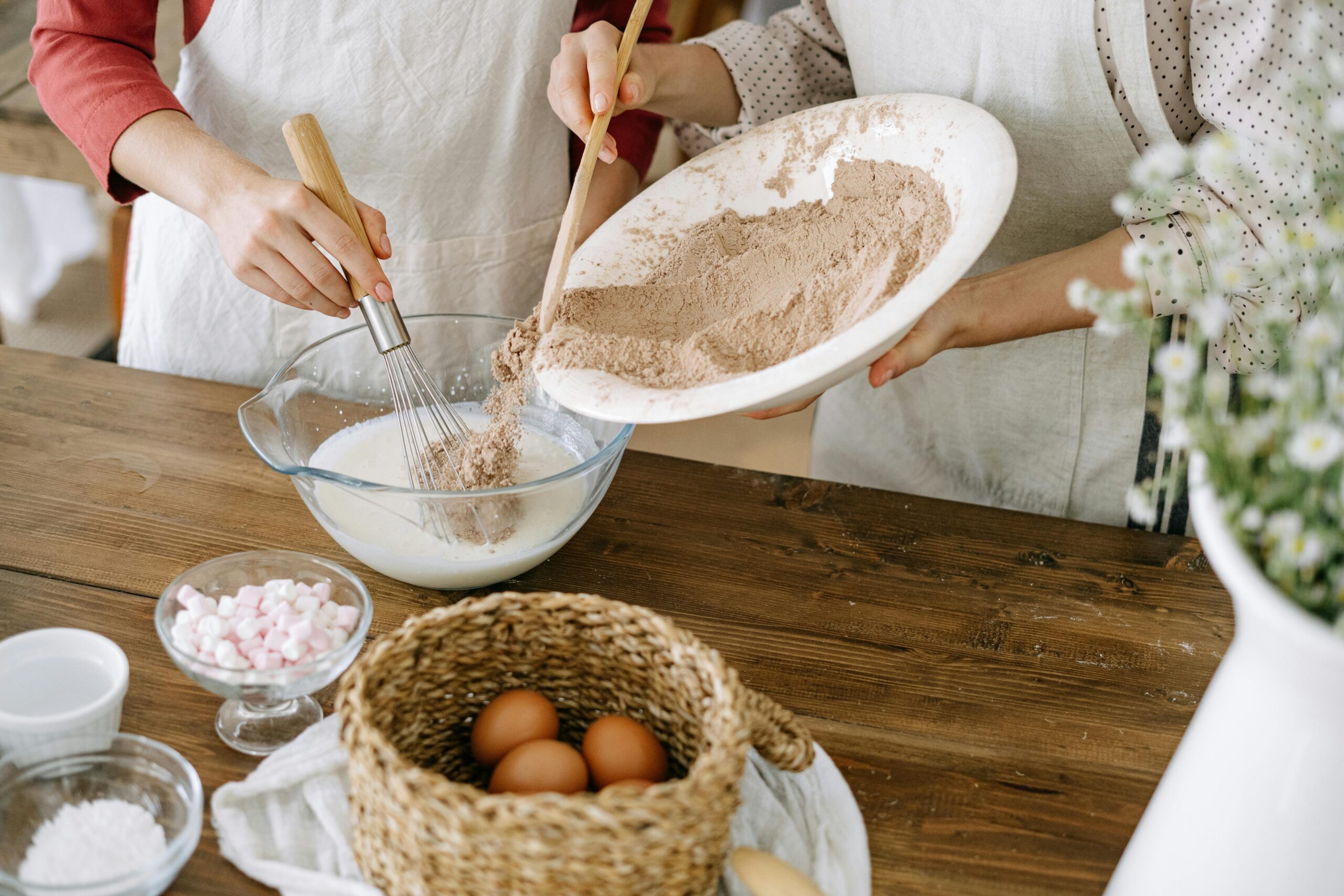
Mixing is the first step in creating delicious pastries, but it’s also one of the most crucial. Overmixing or undermixing your dough or batter can significantly affect the texture and outcome of your pastries. Properly mixed dough should have an even consistency, but be careful not to work it too much, as that can result in a tough texture, especially with delicate pastries like puff pastry or shortcrust.
What You Need to Know:
- For dough: When making dough for pies, tarts, or croissants, mix the ingredients just until they come together. The dough should not be smooth; it should have some visible lumps of butter or fat. These lumps will create flaky layers when baked.
- For batters: For cake batters or cupcake mixtures, mix until everything is incorporated, but be mindful of not overworking the batter. Stirring too much can cause the formation of gluten, making your cakes dense instead of light and fluffy.
Tip: When making pie crust, use a pastry cutter or your fingers to mix the butter into the flour until it resembles coarse crumbs. This ensures a light, flaky texture.
2. Chilling Your Dough and Ingredients
Chilling dough and ingredients is a critical technique in pastry making, especially when working with butter. Cold fat creates flakiness by forming layers within the dough, which is key for pastries like puff pastry, pie crusts, and croissants.
What You Need to Know:
- Chill the dough: After mixing, wrap the dough in plastic wrap and refrigerate it for at least 30 minutes before rolling it out. This helps to relax the gluten and solidify the fat, preventing the dough from becoming too sticky and making it easier to handle.
- Chill the ingredients: If your recipe calls for cold butter or eggs, make sure they are properly chilled. Butter that is too soft or warm will melt into the dough too quickly, leading to a greasy result.
Tip: If you’re short on time, try freezing the dough for 10–15 minutes instead of just chilling it.
3. Rolling Dough to the Right Thickness
Rolling out dough is an art form that takes practice. If your dough is too thick, the pastry will be dense, and if it’s too thin, it can tear or burn. Rolling the dough evenly ensures that your pastries bake uniformly and develop that signature flaky texture.
What You Need to Know:
- Use a rolling pin: Roll the dough out evenly on a floured surface. Use a rolling pin with even pressure, and rotate the dough as you roll to keep the thickness consistent. If the dough sticks to the rolling pin, dust it lightly with flour.
- Thickness: Most pastry recipes will specify the thickness of the dough you need. For a tart crust or pie, you typically want it to be about 1/8 inch thick. Too thin and it may break during baking, too thick and it will feel doughy when you bite into it.
Tip: If your dough starts to shrink back when rolling, let it rest for a few minutes to relax the gluten before continuing.
4. Blind Baking: Pre-Baking Your Pastry Crust
Blind baking (or pre-baking) is the technique of baking a pastry crust without filling. This is often done for tarts, pies, and quiches to prevent the crust from becoming soggy when filled with a wet mixture.
What You Need to Know:
- How to do it: After rolling out your dough, line the crust with parchment paper and fill it with pie weights, dried beans, or uncooked rice to keep the crust in place. Bake the crust at a moderate temperature until it’s golden and crisp. Remove the weights and parchment paper before baking for a few more minutes to ensure it’s fully baked.
- Why it’s important: Blind baking ensures that the crust is fully cooked and crisp before adding any wet fillings, like custard or fruit, which could otherwise make the crust soggy.
Tip: If you’re blind baking a pie crust and you’re worried about overbaking it, cover the edges with aluminum foil to prevent them from burning while the base bakes.
5. Laminating Dough for Flaky Pastries
Laminating dough is a process where layers of dough and butter are folded and rolled repeatedly to create ultra-flaky pastries. This technique is used in croissants, puff pastry, and Danish pastries.
What You Need to Know:
- The folding process: Start with a base dough (called détrempe) and encase chilled butter in it. Roll out the dough into a long rectangle, then fold it into thirds, like a letter. Rest the dough in the fridge between folds to ensure the butter remains cold.
- Repeat the folds: After each fold, turn the dough 90 degrees, then roll and fold it again. This creates hundreds of layers of dough and butter. When baked, the butter melts, creating steam that makes the layers puff up and separate, resulting in a flaky texture.
Tip: Make sure the dough and butter are both cold before you start folding. If the butter starts to soften or ooze out, it’s time to chill the dough.
6. Mastering Egg Wash and Glaze
An egg wash is a mixture of beaten eggs (sometimes combined with a little milk or water) that is brushed onto pastries before baking. This technique gives pastries a golden, shiny finish, making them look professionally baked.
What You Need to Know:
- Egg wash: Brush your pastries with an egg wash right before they go into the oven to ensure they achieve a beautiful golden color.
- Glazes: For added flavor and shine, you can glaze pastries after baking. A simple sugar glaze is often used on Danish pastries and cinnamon rolls, while chocolate glaze is perfect for tarts.
Tip: Don’t use too much egg wash or glaze, as it can make the pastries soggy or leave a streaky finish.
Conclusion
Mastering these basic pastry techniques is crucial for any home baker or aspiring pastry chef. By understanding how to mix dough, chill ingredients, roll to the right thickness, blind bake, laminate dough, and use egg washes, you’ll be able to create pastries that are not only delicious but visually stunning as well. Remember, practice makes perfect, so don’t be afraid to try new techniques and refine your skills with each bake.
As you continue your pastry journey, you’ll discover that the basics are your best friend in the kitchen. Keep honing these skills, and you’ll be well on your way to creating professional-level pastries at home.